
Is My Dog Hiding Pain? Signs Your Vet Wants You to Notice
January 27, 2026 8:48 pmDogs are incredibly loyal, expressive, and loving companions, but when it comes to pain, they can be surprisingly secretive. One of the most common reasons pet parents delay veterinary care is that the signs are not obvious. In fact, many dogs instinctively conceal discomfort, even when it affects their daily lives. Recognizing the signs your dog is hiding pain can make a meaningful difference in their comfort, longevity, and overall quality of life. This guide will help you understand why dogs mask pain, what subtle signals to watch for, and when it is time to involve your veterinarian.
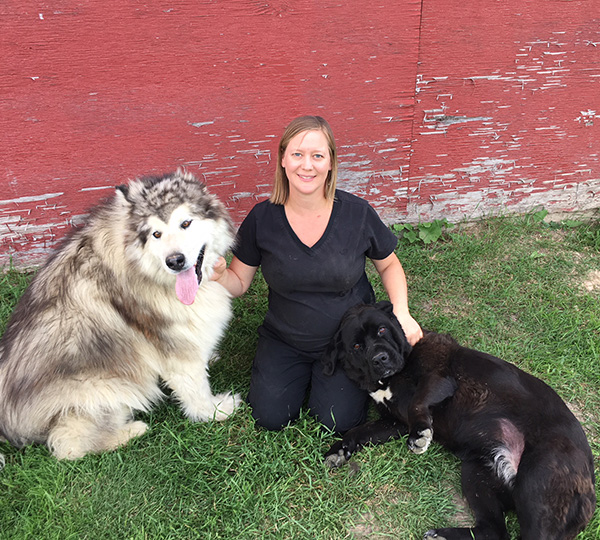
Signs Your Dog Is Hiding Pain
Pain in dogs does not always look dramatic. There may be no limping, no crying, and no sudden changes that scream emergency. Instead, the signs often creep in quietly and are easy to dismiss as aging, moodiness, or personality quirks. Dogs are masters of adaptation, so even when something hurts, they may adjust their behavior rather than show obvious distress.
Signs Your Dog Is Hiding Pain at Home
Your home is the best place to observe subtle changes. Dogs are most themselves in familiar environments, which makes small shifts easier to detect if you know what to look for. Some common but overlooked signs include:
- Sleeping more than usual or appearing reluctant to get up
- Hesitating before jumping on furniture or climbing stairs
- Moving more slowly on walks or stopping more frequently
- Licking, chewing, or scratching a specific area repeatedly
- Changes in posture, such as hunching or keeping the head lowered
- Avoiding certain rooms, surfaces, or activities they once enjoyed
You may also notice your dog repositioning frequently while resting or seeming unable to get comfortable. These behaviors can point to joint pain, muscle soreness, abdominal discomfort, or internal issues that deserve attention.
Behavioral Changes That Indicate Discomfort
Behavior is often the first thing to change when a dog is in pain. Because dogs cannot explain how they feel, discomfort may show up as shifts in mood, social interaction, or daily habits. Pay attention if your dog displays:
- Irritability or snapping when touched in certain areas
- Withdrawal from family members or other pets
- Reduced interest in play, toys, or training
- Increased clinginess or anxiety
- Changes in appetite or water consumption
- House soiling in a previously trained dog
These behavioral changes are frequently misinterpreted as stubbornness or aging, but they often have a physical cause. A normally friendly dog that becomes grumpy may be protecting a painful area. A playful dog that stops engaging could be conserving energy because movement hurts.
Why Dogs Instinctively Mask Pain
Understanding why dogs hide pain helps explain why these signs are so subtle. This behavior is not stubbornness or bravery; it is instinct.
In the wild, showing weakness makes an animal vulnerable. Dogs evolved from ancestors that needed to protect themselves from predators and maintain their place within a social group. Even today, those instincts remain deeply ingrained. As a result, many dogs will continue eating, walking, and interacting as normally as possible even when they are uncomfortable.
There are several reasons dogs mask pain:
- Survival instincts discourage visible weakness
- Social hierarchy behaviors favor stoicism
- Desire to please owners overrides discomfort
- Gradual onset of pain allows slow adaptation
Chronic conditions like arthritis, dental disease, or internal inflammation often develop slowly. Because the pain increases gradually, dogs adjust little by little. By the time signs become obvious, the condition may already be advanced. This is why early recognition and routine veterinary care are so important.
When Pain Signals Require a Vet Visit
While some changes may be mild or temporary, others signal a need for professional evaluation. Knowing when to call your veterinarian can prevent complications and reduce unnecessary suffering.
You should schedule a veterinary visit if you notice:
- Persistent changes lasting more than a few days
- Worsening mobility or stiffness
- Noticeable weight loss or gain without explanation
- Vocalization such as whining, whimpering, or growling
- Difficulty eating, chewing, or swallowing
- Limping, even if it comes and goes
Acute signs such as collapse, labored breathing, severe lethargy, or sudden aggression should be treated as urgent. Pain is often the body’s warning system, and ignoring it can allow minor issues to progress into serious medical problems.
How Vets Detect Hidden Pain in Dogs
Veterinarians are trained to recognize pain signals that may not be obvious to pet owners. A thorough exam goes beyond watching your dog walk across the room. It involves evaluating posture, muscle tone, joint flexibility, and subtle reactions to touch.
During a veterinary visit, your care team may:
- Perform hands-on orthopedic and neurological exams
- Assess gait and movement from multiple angles
- Check dental health, gums, and oral tissues
- Palpate the abdomen for tenderness or swelling
- Review changes in behavior, appetite, and routines
- Recommend diagnostic tools such as X-rays, bloodwork, or ultrasound
Because dogs cannot tell us where it hurts, diagnostics help pinpoint the source. Early detection allows for more treatment options, better outcomes, and often lower long-term costs.
Why Early Veterinary Intervention Matters
Catching pain early is not just about comfort; it is about protecting your dog’s overall health. Untreated pain can lead to secondary issues such as muscle loss, reduced mobility, weight gain, and behavioral problems. Chronic pain also places stress on the immune system and can impact organs like the heart and kidneys over time.
Early intervention offers several benefits:
- Slows progression of chronic conditions
- Improves mobility and daily comfort
- Reduces risk of compensatory injuries
- Enhances quality of life and longevity
- Strengthens the human animal bond
Modern veterinary medicine offers a wide range of pain management options. These may include medications, supplements, physical therapy, dietary changes, and lifestyle modifications tailored to your dog’s needs. The goal is not just to treat disease, but to help your dog thrive.
Helping Your Dog at Home Between Visits
In addition to veterinary care, you play a vital role in monitoring and supporting your dog’s comfort. Simple steps at home can make a big difference:
- Keep a journal of behavior and mobility changes
- Maintain a healthy weight to reduce joint stress
- Provide supportive bedding and easy access to food and water
- Avoid forcing activities your dog resists
- Follow treatment plans and medication instructions closely
Never give human pain medications to dogs unless directed by a veterinarian. Many common over-the-counter drugs are toxic to pets. Always consult your veterinary team before trying new treatments or supplements.
Your Partner in Your Pet’s Health
Dogs may not cry out when they hurt, but they rely on us to notice the quiet signals. By learning to recognize subtle changes and acting early, you can spare your dog unnecessary discomfort and ensure they enjoy more happy, active years by your side.
If you are unsure whether your dog’s behavior is normal or a sign of pain, trust your instincts and seek professional guidance. The team at Rolling Plains Veterinary Corporation is here to help. As your trusted, professional veterinary clinics, we are dedicated to providing peace of mind about your animal’s health. From dogs and cats to cattle and horses, we administer preventive pet medications and treat emergent conditions with care and expertise. We take pride in our experience, accreditations, and long-standing professional history as emergency vets. If you suspect your dog may be hiding pain, schedule a visit with Rolling Plains Veterinary Corporation and let us help your animal feel their very best.
Categorised in: Dog Care
This post was written by Dr. Marc Phillipot
Comments are closed here.