
Feline Veterinary Care Across Manitoba
Our Cat vet in Manitoba is calm, organized, and thorough, especially because cats often hide illness until a problem is more advanced. At Rolling Plains Veterinary Corporation, we help kittens, adult cats, and senior cats with wellness exams, vaccinations, parasite prevention, diagnostics, surgery support, chronic condition management, and compassionate quality-of-life care. Whether your cat needs a routine visit or something suddenly feels off, our goal is to make feline care clearer, less stressful, and easier to act on.
Cats are different from dogs in the way they show pain, stress, and illness. A cat may become quieter, eat less, hide more, use the litter box differently, or lose weight gradually before the problem is obvious. That means early exams and cat-specific handling matter. The better the visit goes, the easier it is to get useful information, make a plan, and help your cat recover or stay healthier long term.
If you are comparing care options, you can also review our full veterinary services in Manitoba, visit our clinic locations, or contact our team to book the right appointment.

A secure carrier, a familiar blanket, and a quiet trip to the clinic can make feline appointments much easier for both cats and owners.
Why feline care should not be handled like dog care
Cat owners often know when something feels different before they can point to one obvious sign. A cat may stop greeting you, groom less, sleep in different places, resist being touched, urinate outside the litter box, or leave food in the bowl. These small shifts matter because cats commonly mask discomfort. That makes feline care distinct from the broader companion-animal approach used for dogs, even when both species are seen in the same veterinary network.
This is exactly why this page should stay centered on cats rather than drifting into generic pet language. Owners looking for canine care should use our dog veterinary care in Manitoba service instead. Families with rural properties that also include horses, goats, or livestock can access related care through equine veterinary care, goat veterinary care, and livestock veterinary care in Manitoba.
Kittens
Early wellness care, vaccination timing, parasite control, and spay or neuter planning lay the foundation for better long-term health.
Adult cats
Routine exams help catch changes in weight, dental health, behavior, appetite, and litter-box habits before they become more serious.
Senior cats
Older cats often need closer monitoring for kidney issues, arthritis, dental disease, appetite changes, and general quality-of-life concerns.
What a cat vet in Manitoba can help with
Strong feline care combines prevention, early diagnostics, medical support, and practical home guidance. Some cats need routine care on schedule, while others need attention because something has changed suddenly or subtly. In both cases, the value comes from catching problems early and understanding that small signs in cats often mean more than they first appear to mean.
Routine cat care and prevention
- Kitten exams and vaccine schedules
- Adult and senior wellness visits
- Parasite prevention and testing guidance
- Nutritional support and weight management
- Dental health review and oral care planning
- Microchipping and preventive care discussions
Diagnostics, treatment, and ongoing feline support
- Bloodwork, urinalysis, and fecal testing when needed
- FeLV and FIV testing when indicated
- Digital X-rays and ultrasound when appropriate
- Surgery support and pre-anesthetic planning
- Chronic condition monitoring and treatment plans
- Clear home-care guidance after diagnosis or treatment
Owners with new kittens, older cats, or cats that seem “not quite right” often benefit most from earlier visits rather than waiting until the problem becomes easier to see but harder to manage.
How cat vet in Manitoba visits can be made less stressful
One of the biggest barriers to feline care is not always cost or distance. It is stress. Many owners postpone appointments because their cat hates the carrier, cries the whole drive, or becomes hard to handle once they leave home. Reducing that stress makes a real difference because calmer cats are easier to examine, easier to diagnose, and less likely to have the visit overshadow the care itself.
| Part of the visit | What helps most | Why it matters |
|---|---|---|
| Carrier prep | Leave the carrier out year-round with bedding and treats inside. | The carrier feels less like a trap and more like part of normal life. |
| Travel | Use a stable carrier, cover part of it if needed, and keep the ride as quiet as possible. | Less sensory overload helps reduce fear and agitation. |
| At home before the visit | Note changes in appetite, litter-box habits, water intake, behavior, and activity. | Small feline changes often provide the most important diagnostic clues. |
| At the clinic | Bring previous records, medications, and a short timeline of what changed. | A clearer history helps us make better decisions faster. |
For more feline handling and cat-friendly visit guidance, cat owners can also review resources from the American Association of Feline Practitioners.
Diagnostics, imaging, and early answers for subtle cat problems
Cats often do not show dramatic symptoms early. Instead, owners may notice reduced appetite, weight loss, hiding, vomiting, litter-box changes, or less interest in interaction. These are the kinds of cases where diagnostics matter because they help move the conversation from guesswork to a real plan.
Common reasons diagnostics matter in cats
- Changes in drinking, urination, or litter-box behavior
- Weight loss or poor appetite without an obvious cause
- Vomiting, diarrhea, or lower activity levels
- Behavior changes that may reflect pain or illness
- Pre-surgical screening or chronic condition monitoring
Why early testing can save time later
The earlier a problem is identified, the easier it often is to guide treatment, home care, and follow-up without chasing symptoms for weeks.
Senior cat care, comfort, and long-term management
Senior cats frequently need more than a yearly once-over. Aging changes how cats eat, move, groom, rest, and tolerate discomfort. Older cats can look “just slower” when they are really dealing with chronic pain, dental trouble, kidney changes, or loss of body condition. Senior feline care works best when owners and veterinarians pay attention to subtle trends instead of waiting for a sharper decline.
What owners should watch in older cats
- Weight loss or a change in appetite
- Less jumping, climbing, or grooming
- More sleeping or hiding
- Changes in litter-box use or water intake
- Bad breath, food dropping, or chewing changes
Better quality of life starts with early support
Senior cats usually do better when issues are recognized early enough that comfort, nutrition, and treatment plans can be adjusted gradually instead of reactively.
Preparing for your cat’s appointment makes the visit more useful
Feline visits go better when owners come in with a little background ready. Because cats often show subtle signs, even small details can matter during diagnosis or treatment planning. That is especially true for first visits, senior cats, and cats that are acting differently without an obvious injury or event.
Helpful things to bring or note
- Previous records if you have them
- A list of medications, supplements, or special diets
- Notes on appetite, litter-box habits, behavior, and energy
- Photos or video when behavior changes are hard to describe
- A secure carrier with a familiar blanket or towel
When it is smart to book sooner
- Your cat is eating much less or not at all
- You notice sudden litter-box changes
- There is vomiting, diarrhea, or visible weight loss
- Your cat is hiding much more than usual
- Movement, grooming, or breathing seems different
These are common moments when owners feel something is wrong even before they can explain it clearly. That instinct is worth acting on.
Clinic access and related veterinary care through Rolling Plains
Rolling Plains Veterinary Corporation supports cat owners through a multi-location clinic network, including St. Claude, Carman, and Notre Dame. That makes it easier to coordinate records, appointments, follow-up care, and broader family-animal support across rural Manitoba.
Households that also need care for dogs or farm animals can connect through our dog care, goat care, equine care, and livestock care services while still keeping feline content clearly focused on cats here.
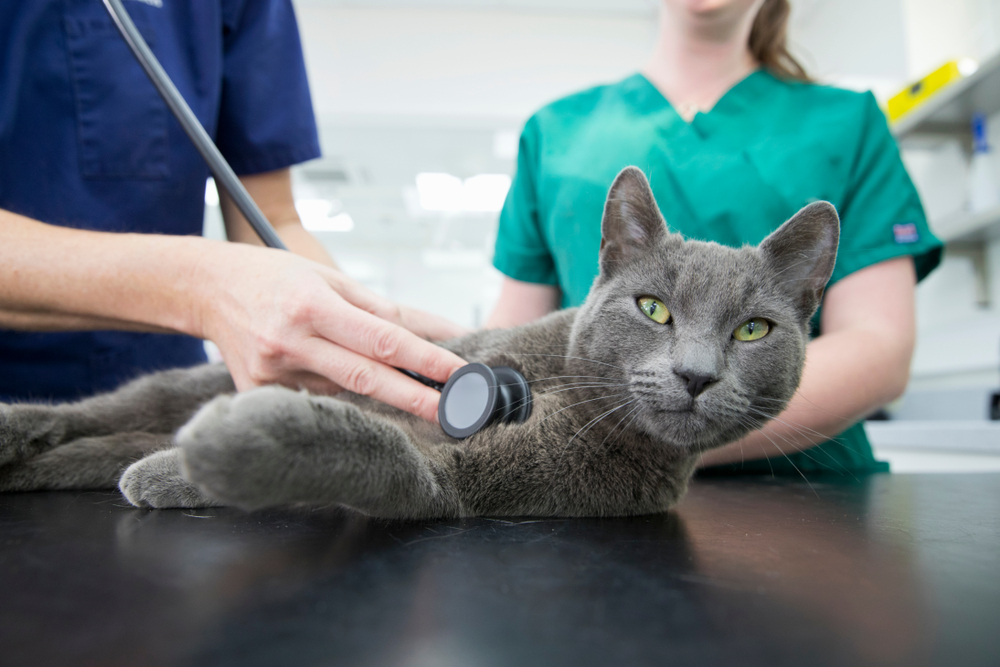
Routine exams help identify feline problems early, often before cats show more obvious signs of illness.
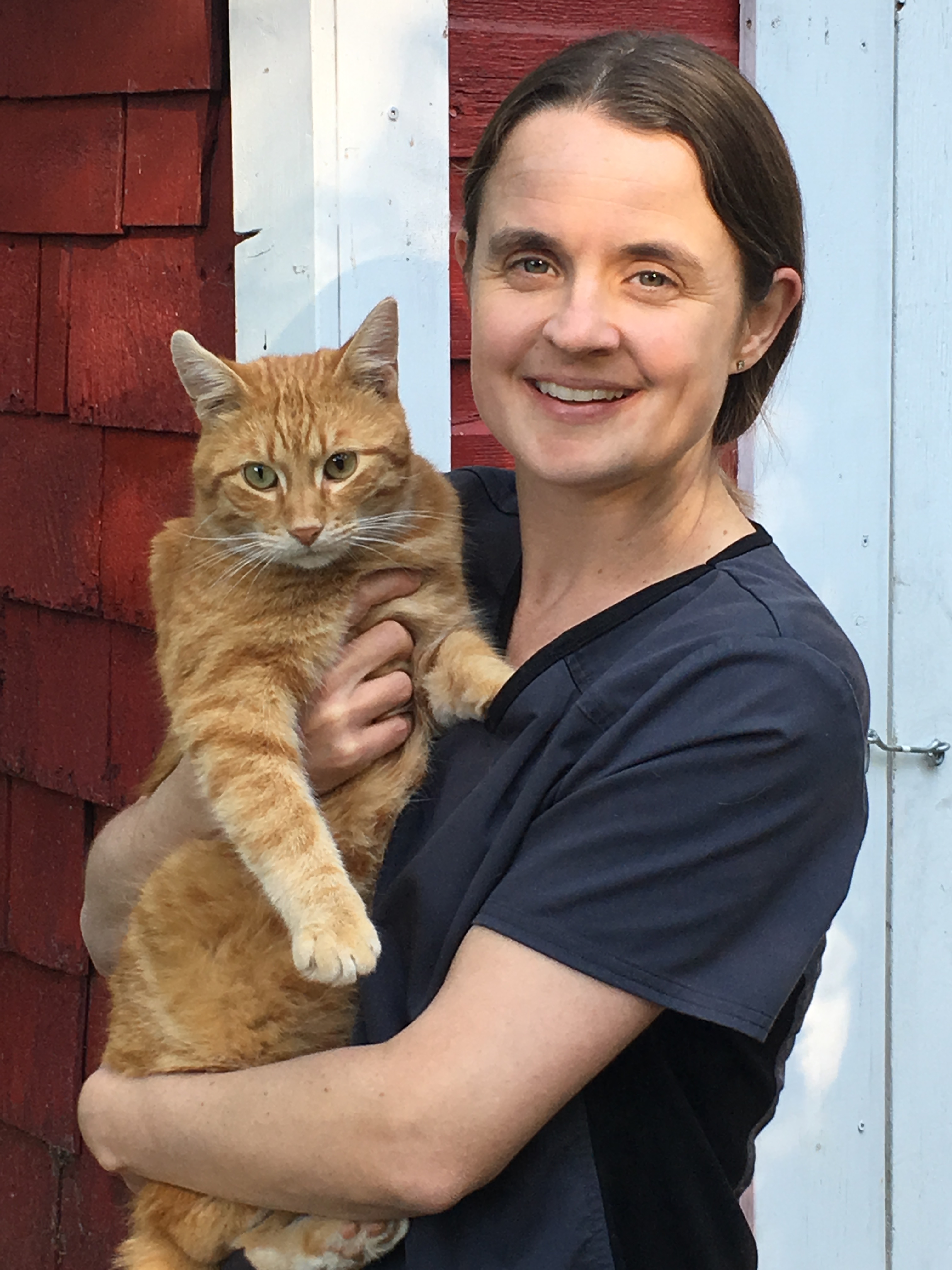
Cat visits tend to go better when handling stays calm, steady, and as low-stress as possible.
Kittens, adults, and seniors all have different care priorities, which is why life-stage planning matters.
Why a cat vet in Manitoba matters for long-term feline health
Some of the best feline outcomes come from small decisions made early. A routine exam that catches weight loss, a diagnostic workup that explains litter-box changes, a senior check that identifies chronic pain, or a calm first kitten visit can all influence how well a cat does over time. Feline medicine rewards attention to detail, which is why cat-specific care deserves its own clear focus.
Where owners often see the biggest benefit from a cat vet in Manitoba
Earlier detection
Cats often show illness quietly, so early exams and testing can catch problems before they are more advanced.
Lower stress
Better feline handling and visit preparation make appointments easier on both cats and owners.
Better long-term care
Life-stage planning for kittens, adults, and seniors helps owners make stronger health decisions over time.
When to call sooner about your cat
If your cat is struggling to breathe, not eating, vomiting repeatedly, unable to urinate, extremely lethargic, collapsing, or suddenly behaving in a way that feels dramatically different, contact us right away. With cats, waiting too long can make a manageable problem much harder to treat.
Frequently asked questions about feline veterinary care
Do indoor cats still need vaccinations?
Yes. Indoor cats still need core vaccines and timing decisions based on age, overall health, and risk factors that should be reviewed during wellness visits.
How often should my cat see a veterinarian?
Many adult cats should be seen at least once a year, while senior cats and cats with ongoing medical issues often benefit from more frequent monitoring.
What should I bring to my cat’s first appointment?
Bring any previous records, medication or supplement lists, and notes about appetite, litter-box habits, behavior, and activity. A secure carrier with a familiar blanket helps too.
Why do many cats seem stressed at the vet?
Cats are sensitive to unfamiliar smells, sounds, handling, and routine changes. Better carrier prep and calmer travel usually help make visits easier.
When should kittens be spayed or neutered?
Timing can vary with the kitten’s age, development, and health status. We can recommend the right timing during your kitten’s exam.
Book cat veterinary care in Manitoba
If your cat is due for wellness care, showing subtle changes, or needs diagnostics or treatment support, contact our team today and we will help you choose the right next step.