Veterinary Care for Many Animal Species Across Manitoba
The animals we treat in Manitoba include a wide mix of farm animals, hobby-farm species, small companion animals, and hard-to-categorize rural patients that do not always fit neatly into one standard clinic page. At Rolling Plains Veterinary Corporation, we help families, farms, acreages, and mixed-species properties with exams, diagnostics, treatment planning, and practical next steps for many kinds of animals. If your species is not one of the main services listed elsewhere on our site, this is the right place to start.
Many rural properties do not have just one type of animal. You may have goats and poultry, rabbits and dogs, small ruminants and a few pet pigs, or a property that mixes household pets with production animals. That is why this service matters. It helps owners get species-aware care without needing to guess which appointment path makes the most sense first.
If you already know you need a more specific service, you can also go directly to goat veterinary care, livestock veterinary care in Manitoba, equine veterinary care, dog veterinary care, cat veterinary care, or rabbit veterinary care.
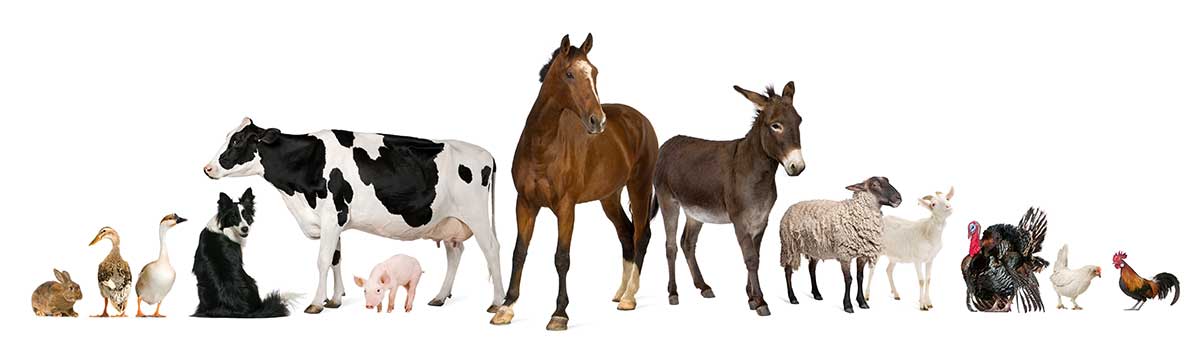
When you call, sharing the species, age, number of animals involved, and the main concern helps us guide you faster.
Why mixed-species veterinary support matters in rural Manitoba
Rural animal ownership is rarely one-dimensional. A property may have a few backyard hens, a pair of goats, a rabbit for the family, a small pig, and a dog or cat at the same time. Some owners are caring for production animals. Others are managing companion animals with species-specific needs that are easy to underestimate. What they all have in common is the need for practical veterinary guidance that fits real life, not generic advice that ignores handling, facilities, herd spread, or the realities of distance and scheduling.
This page is also useful for species that may not have a standalone service page but still deserve real veterinary support. That includes animals like poultry, pigs, small ruminants outside the main core focus, camelids, captive cervids, and small companion species that need calm handling and good diagnostic thinking. If your property includes more common household pets too, our dog care and cat care pages are also available.
Farm and acreage owners
Small or mixed operations often need one veterinary contact point that understands multiple species without turning every question into a referral dead end.
Hobby-farm households
Owners with a few animals of several kinds usually benefit from practical guidance on health basics, handling, nutrition, and when a concern cannot wait.
Families with uncommon pets
Rabbits, pocket pets, small pigs, and poultry often need more specific care than people realize, especially when appetite, stool, mobility, or behavior changes.
What animals we treat in Manitoba most commonly include
Rolling Plains Veterinary Corporation commonly helps with a wide range of species that fall outside the main dog, cat, horse, and cattle pathways. Some of these animals are seen regularly on farms, while others are kept as companions, small-scale production animals, or acreage pets. If you do not see your animal listed here, it is still worth contacting us. In many cases, we can help directly or guide you toward the best next step.
Common species owners ask us about
- Sheep and goats
- Pigs, including pet and small-farm pigs
- Poultry, backyard flocks, chickens, and geese
- Llamas and alpacas
- Captive deer, elk, and bison
- Rabbits and pocket pets
What helps us book the right appointment
- The species and approximate age
- Whether one animal or several are involved
- The main concern and when it started
- Whether the animal is eating, drinking, moving, and acting normally
- Any recent feed, housing, travel, or herd changes
- Photos or short video when the issue is hard to describe
For species that already have a stronger, more dedicated service page, we point owners in that direction intentionally so the information is more useful and less generic. That is why goat care, rabbit care, horse care, livestock care, dog care, and cat care each have clearer standalone service areas.
How animals we treat in Manitoba are handled through farm or clinic care
Not every animal should be seen the same way. Some species or group concerns are better handled on farm, especially when transport adds stress or when more than one animal may be involved. Other cases are better suited to clinic support, especially when an individual patient needs closer evaluation, calmer handling, or more focused follow-up.
| Type of case | Farm support may be best when | Clinic care may be best when |
|---|---|---|
| Group or herd concerns | Several animals are affected and the environment or setup needs to be assessed directly. | The concern appears limited to one animal that can be transported safely. |
| Poultry or flock issues | You need practical direction around spread, sanitation, and multiple affected birds. | A smaller number of animals need direct exam or follow-up support. |
| Small companion species | Transport is harder on the animal or the setup needs to be discussed first. | The animal needs direct handling, diagnostics, or closer in-clinic review. |
| Mixed-species properties | You need advice that accounts for several animals sharing one property or system. | One patient has a more specific issue needing closer individual assessment. |
If you are unsure which visit type makes sense, use our contact page and tell us the species, number of animals, and whether the concern is spreading.
Sheep, goats, pigs, and poultry health support
Some of the most common mixed-species questions in rural Manitoba involve small ruminants, pigs, and poultry. These animals often share certain management realities such as close-contact spread, housing pressure, nutrition issues, parasite concerns, and the challenge of noticing illness early enough. When one animal changes or a group starts acting differently, quick triage matters.
Common reasons owners contact us for these species
- Reduced appetite, diarrhea, dehydration, or weight loss
- Respiratory changes, coughing, nasal discharge, or slower recovery
- Lameness, injuries, abscesses, or swollen areas
- Lower production, poor thrift, or abnormal group behavior
- Kidding, lambing, or other reproduction-related concerns
Why clear triage matters
Group species can go from one sick animal to a wider problem quickly. Knowing whether the issue is isolated or spreading changes the next decision.
Rabbits, pocket pets, and calmer small-animal handling
Rabbits and pocket pets need a different approach from dogs and cats. Stress, diet history, droppings, appetite, and enclosure details all matter. Small changes can become serious quickly, which is why owners often do better when they call early and bring clear notes. If your main focus is rabbit care specifically, our rabbit veterinary page gives more detailed rabbit-specific guidance.
Helpful information for rabbit and pocket-pet visits
- What the animal is eating and drinking
- Changes in droppings, litter, or activity
- Recent habitat or bedding changes
- Medication history and supplement use
- Photos or video if the issue is intermittent
Calm handling usually leads to better care
Smaller species often do best when visits are planned carefully and owners bring the practical details that help shorten the diagnostic process.
Why animals we treat in Manitoba can require very different care plans
Even when symptoms sound similar, species differences matter. Appetite loss in a rabbit is not the same as appetite loss in a pig. A flock problem is not managed like one lame alpaca. A few goats acting off may point toward a very different kind of issue than one pet goat with an isolated wound. That is why multi-species veterinary support still needs to stay species-aware, even on a page like this.
Where species-specific care makes the biggest difference
Handling
Safe restraint and low-stress handling vary widely by species and change how useful the exam can be.
Spread risk
Group and herd animals often need decisions made with the rest of the property in mind, not just one animal.
Home management
Diet, housing, bedding, sanitation, and water access affect outcomes far more in some species than owners first expect.
For general biosecurity guidance in Canada, owners may also find the Canadian Food Inspection Agency helpful.
Clinic access and related species care through Rolling Plains
Rolling Plains Veterinary Corporation supports clients through St. Claude, Carman, and Notre Dame, making it easier to coordinate records, appointments, and follow-up for families or farms with more than one kind of animal. That matters on acreages and mixed-use properties where several species may need care at different times of the year.
Owners who know they need a more direct service can also go to goat care, rabbit care, horse care, dog care, cat care, and livestock care when the species is already clear.
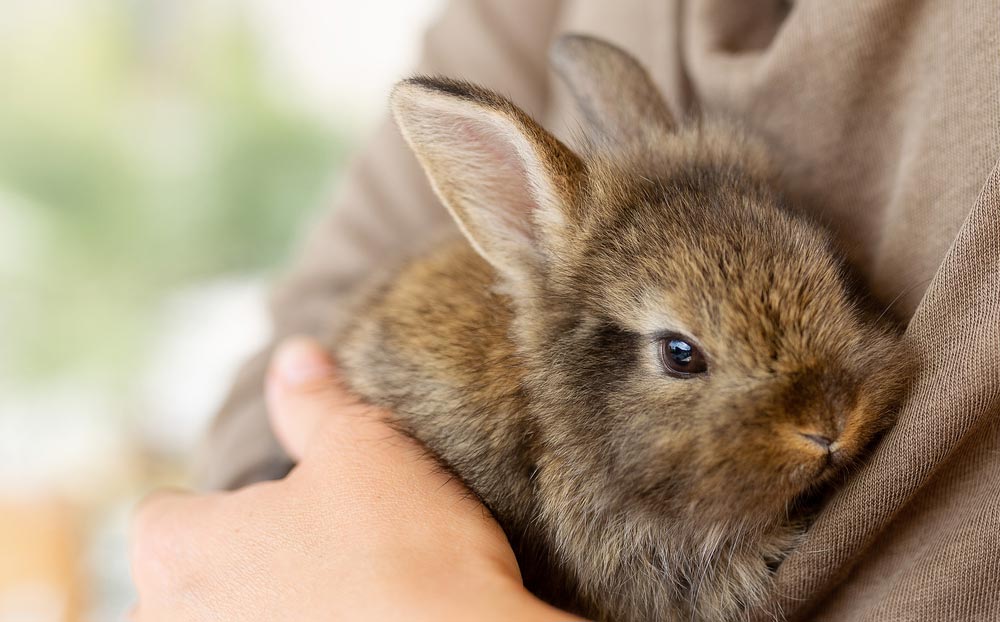
Smaller companion species usually do better when visits are calm, organized, and supported by clear owner observations.
From farms to acreages to family homes, mixed-species care often works best when one team can help connect the dots.
Frequently asked questions about the animals we treat
What kinds of animals does Rolling Plains Veterinary Corporation treat?
We commonly help with species such as sheep, goats, pigs, poultry, rabbits, pocket pets, llamas, alpacas, deer, elk, and bison, in addition to more common domestic animals.
Can you help if I have more than one species on my property?
Yes. Mixed-species properties are common in rural Manitoba, and we can help you sort out which issue needs attention first and what type of visit makes the most sense.
Do you offer farm visits for uncommon or mixed-species cases?
In many cases, yes, especially when multiple animals may be involved and safe handling facilities are available. Contact us to explain the setup and concern.
What should I tell you when I call to book?
Tell us the species, age, main concern, when it started, and whether one animal or several are involved. Photos or short video can also help with triage.
What if my animal is not listed on this page?
Still contact us. If we can help directly, we will. If not, we can often guide you toward the best next step based on the species and concern.
Book care for mixed-species and less common animal cases
If you need help with pigs, poultry, sheep, rabbits, pocket pets, alpacas, or other animals not covered by a more specific service, contact our team today and we will help you choose the right next step.