Livestock Veterinary Care for Manitoba Herds
Our Livestock vet in Manitoba needs to protect herd health, reduce avoidable losses, and give producers clear next steps when timing matters. At Rolling Plains Veterinary Corporation, we support beef and dairy operations with herd health planning, pregnancy diagnosis, calving support, diagnostics, treatment guidance, and mobile farm visits when on-site care is the best fit. Whether you are dealing with a sick animal, a reproductive question, or a broader herd issue, our team focuses on practical recommendations that work in real farm conditions across Manitoba.
Producers often need more than a one-time visit. They need a veterinary partner who understands prevention, records, treatment history, withdrawal considerations, seasonal pressures, and how small issues can turn into larger production problems if they are left too long. That is why this service is built around both routine herd support and urgent problem-solving, with the flexibility to coordinate through clinic care or on-farm service depending on the situation.
If you are deciding where to start, you can also review our full veterinary services in Manitoba, learn more about other farm animal care, or contact our team directly to book a farm visit or ask about the right next step.

When booking, tell us whether you need preg checks, sick-animal assessment, herd planning, calving help, or diagnostics so we can prepare for the visit properly.
Strong livestock veterinary care starts with prevention and fast decisions
Livestock medicine is not only about reacting when an animal goes down or a problem becomes obvious. The most effective herd support often comes from prevention, timely monitoring, and good decision-making before losses compound. A producer who catches a reproductive issue early, responds to a lameness problem quickly, or tightens a herd protocol before stress season hits is usually in a much stronger position than one who waits until the problem affects a larger group.
That is why our livestock work often includes herd health review, vaccination planning, reproductive support, treatment planning, and follow-up recommendations that fit the realities of your operation. Producers who also manage other species can explore related services such as goat veterinary care or equine veterinary care in Manitoba when their farm needs broader animal support.
Beef herd priorities
Beef producers often need help with preg checks, calving support, disease prevention, lameness issues, and practical treatment decisions that fit seasonal demands and handling facilities.
Dairy herd priorities
Dairy operations often benefit from structured herd visits, reproductive monitoring, udder health support, milk quality troubleshooting, and close attention to transitions and consistency.
Mixed farm support
Many rural Manitoba properties manage cattle alongside other species. That makes coordinated veterinary planning even more important across feeding, biosecurity, housing, and handling routines.
What a livestock vet in Manitoba can help you manage
Our livestock service is designed around the kinds of challenges Manitoba producers actually face throughout the year. Some visits are preventive and scheduled. Others are urgent and call for quick triage. Either way, the goal is the same: protect herd health, reduce avoidable setbacks, and make sure the next decision is the right one.
Routine herd support
- Herd health planning and prevention-focused protocols
- Vaccination strategy based on season, risk, and herd goals
- Pregnancy diagnosis and reproductive monitoring
- Body condition and general herd evaluation
- Diagnostic workups for recurring or unexplained problems
- Treatment planning and follow-up recommendations
Urgent and time-sensitive livestock care
- Calving and dystocia concerns when progress is not normal
- Sick-animal assessment for off-feed, depressed, or stressed cattle
- Lameness and mobility-related evaluation
- Herd concerns involving sudden changes or production drops
- Case assessment when multiple animals begin showing similar signs
- Clear advice on whether the next step should be on-farm or in-clinic
Producers also benefit from having one reliable point of contact for broader rural veterinary support. If your operation involves companion animals as well, our team also provides dog veterinary care in Manitoba and cat veterinary care through the same clinic network.
How livestock vet in Manitoba services are delivered on farm or in clinic
Not every case should be handled the same way. Some situations are easier and more efficient to manage during a farm visit, especially when multiple animals are involved or transporting cattle would create unnecessary stress. Other cases are better suited to clinic support, especially when more controlled handling or additional observation is needed.
| Type of need | On-farm service may be best when | Clinic support may be best when |
|---|---|---|
| Preg checks and herd work | You are working through multiple animals and have safe handling facilities ready. | The concern is limited to one animal and transport is practical. |
| Sick-animal evaluation | You need the animal assessed in its normal environment or several animals may be involved. | The animal needs closer controlled handling or follow-up in a more structured setting. |
| Calving concerns | Immediate farm assessment is the fastest route and facilities allow safe intervention. | The case can be transported safely and clinic oversight is the better option. |
| Diagnostics and follow-up | You need herd context, management review, or facility-related observations. | The case requires more direct in-clinic coordination or repeat checks. |
If you are unsure which option makes sense, contact us through our booking page and let us know the animal count, concern, timeline, and whether this is a beef or dairy operation.
Beef cattle herd health and calving support
Beef operations often work on narrow timing windows. When calving, breeding, vaccination, weaning, and stress periods are not managed tightly, the cost shows up quickly in performance, treatment load, and loss risk. Our team helps producers create more consistent preventive routines while staying ready to respond when a case becomes urgent.
Common beef herd focus areas
- Pregnancy diagnosis and breeding-season follow-up
- Calving support and early intervention when labor is not progressing
- Assessment of weak calves, stressed animals, or poor-doing groups
- Vaccination and parasite protocols matched to seasonal patterns
- Practical advice for handling, sorting, and treatment consistency
When to call sooner rather than later
Active labor without progress, a suspected malpresentation, repeated unsuccessful pulling attempts, heavy bleeding, severe exhaustion, or a calf in distress are all signs that the situation should not sit too long without veterinary input.
Dairy herd support and reproductive planning
Dairy work often benefits from routine structure. Reproductive efficiency, udder health, milk quality, transition management, and consistent monitoring all matter because small misses can compound into larger production and treatment problems. Our livestock team supports dairy producers with practical herd-level recommendations and case-by-case follow-up where needed.
Common dairy herd focus areas
- Scheduled reproductive monitoring and preg checks
- Support for consistency in herd protocols and treatment follow-up
- Problem-solving when milk quality or herd performance shifts
- Review of health patterns during stressful or high-risk periods
- Practical planning that fits your staffing, facilities, and goals
Why consistency matters
Dairy operations usually do better when routine review happens before concerns turn into a pattern. That kind of preventive support is often where producers see the best long-term value from veterinary involvement.
Preparing for a farm visit makes livestock care faster and more effective
Good preparation helps the visit move faster and makes the outcome better for both cattle and producers. It also helps us bring the right equipment and understand whether the priority is an individual case, a group concern, or a more preventive herd discussion.
What to have ready before we arrive
- Safe working facilities such as a chute, alley, head gate, or pen setup
- Animal IDs and treatment history when available
- A short summary of the concern and when it started
- Any recent feed, housing, water, weather, or group changes
- A clear goal for the visit such as preg checks, calving help, diagnostics, or herd review
Questions we may ask when booking
- Is this beef or dairy cattle?
- How many animals are involved?
- Is the concern acute, ongoing, or herd-wide?
- What treatments have already been tried?
- Are there handling limitations we should know about?
That information helps us prepare appropriately and reduces wasted time once the visit starts.
Facilities, clinic access, and multi-location support
Rolling Plains Veterinary Corporation supports producers through multiple clinic access points in rural Manitoba. Depending on your location and the type of care needed, you may work through St. Claude, Carman, or Notre Dame. That makes it easier to coordinate records, medications, follow-up care, and broader herd support through one veterinary group rather than piecing services together from different places.
If your farm includes more than cattle, we can also support other species through our broader animal care services. That is especially helpful for rural properties where goat care, horse care, and companion-animal care all overlap with the day-to-day needs of the operation.
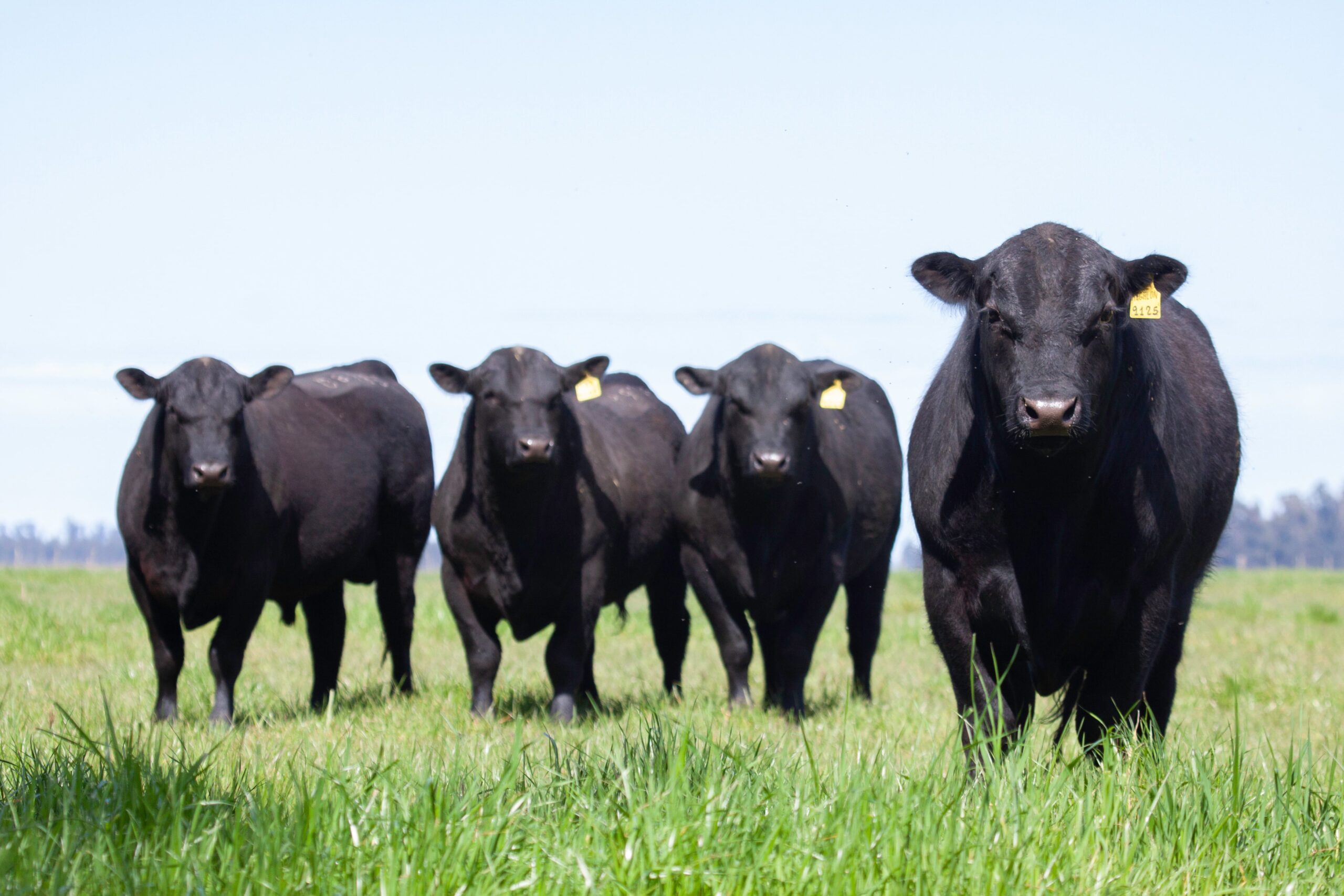
Preventive herd planning and early intervention often reduce treatment pressure later in the season.
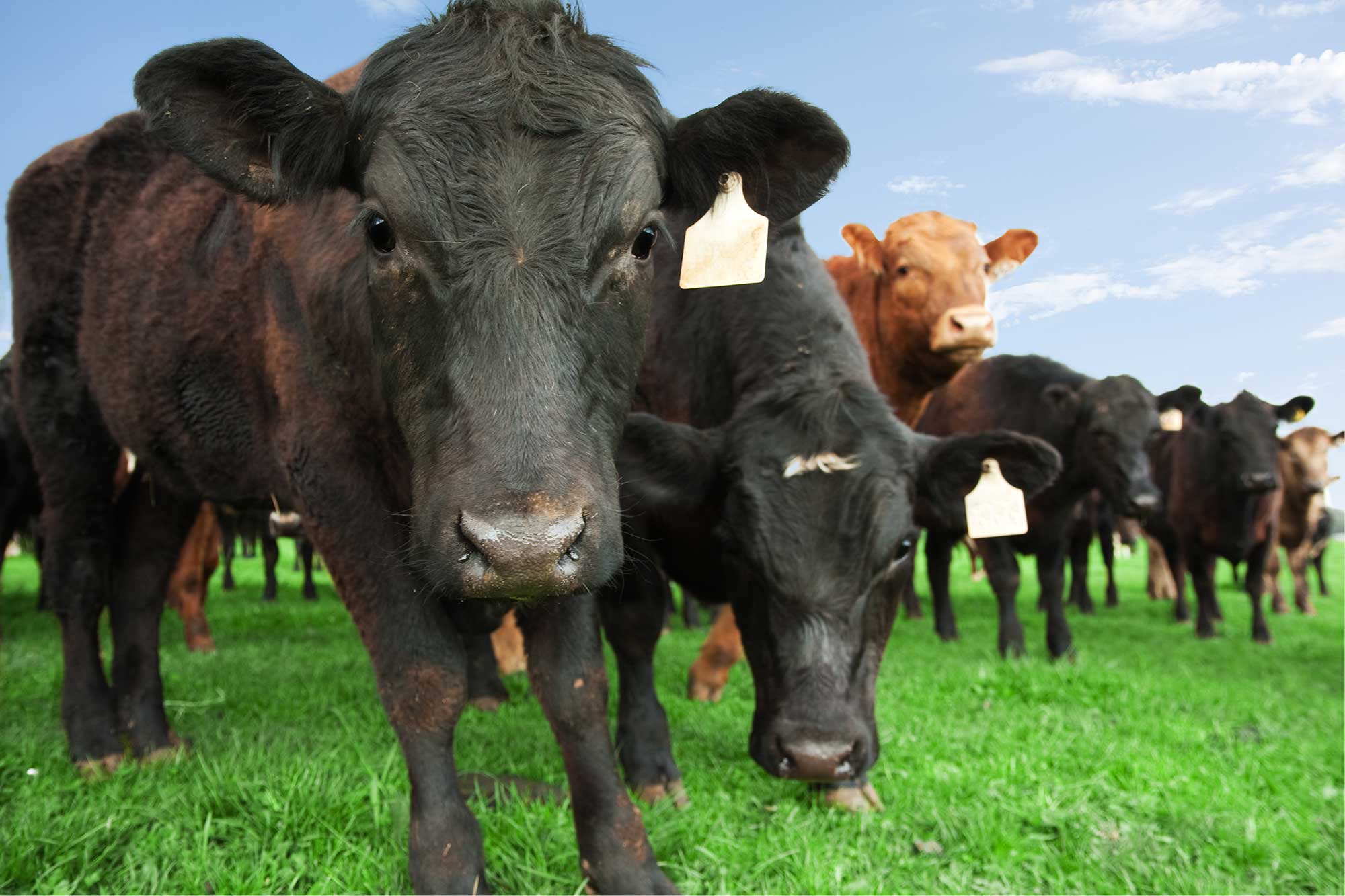
Beef and dairy producers often benefit most from consistent veterinary planning rather than one-off reactive care.
Tell us your herd goals and current challenges so we can tailor support to the operation instead of guessing.
Why working with a livestock vet in Manitoba matters for long-term herd performance
When producers think about veterinary value, the first thing that comes to mind is often urgent treatment. That matters, but long-term performance usually improves most when veterinary care supports the whole system. Better timing around preg checks, clearer treatment decisions, stronger prevention, and earlier identification of herd-level patterns can all contribute to healthier animals and more predictable outcomes.
Where producers often see the biggest benefit from a livestock vet in Manitoba
Prevention
Good protocols reduce the number of avoidable problems that interrupt production and increase stress on the herd.
Reproduction
Earlier pregnancy diagnosis and better reproductive follow-up support stronger management decisions.
Consistency
Clearer plans help reduce guesswork, repeated treatments, and missed opportunities to address issues early.
For broader information on responsible antimicrobial use and resistance awareness in Canada, producers can also review guidance from the Public Health Agency of Canada.
Frequently asked questions about livestock veterinary care
Do you work with both beef and dairy cattle?
Yes. We support both beef and dairy producers, and the recommendations we make depend on herd goals, facilities, timing, and the type of challenge you are dealing with.
Do you offer pregnancy diagnosis for cattle?
Yes. Pregnancy diagnosis is one of the common reasons producers book livestock service. The right method and timing depend on the herd and the visit goals.
Can you come out to the farm?
Yes, when on-farm service is appropriate and safe handling facilities are available. Let us know the animal count, the concern, and whether the visit is for routine herd work or a more urgent problem.
What should I have ready before a livestock appointment?
Have animal IDs, recent treatment history, a workable handling area, and a short summary of what changed and when it started. That helps speed up good decisions during the visit.
Can I contact you if my farm includes other species too?
Yes. If your property includes goats, horses, dogs, cats, or other animals, we can help direct you to the right service area through our veterinary services overview.
Book livestock veterinary care in Manitoba
If you need herd support, preg checks, calving help, diagnostics, or a farm visit for a cattle concern, contact our team today. We will help you choose the right clinic connection and the right next step for your operation.