
Horse Veterinary Care Across Manitoba
Our equine vet in Manitoba is practical, responsive, and built around the real needs of horse owners, riders, and breeders. At Rolling Plains Veterinary Corporation, we provide horse wellness care, dentistry, lameness evaluation, diagnostics, Coggins testing, and mobile or clinic-based support for horses across rural Manitoba. Whether you own one pleasure horse or manage multiple animals, the goal is the same: clear answers, solid treatment planning, and care that helps your horse stay comfortable, healthy, and ready for the work or riding you expect from them.
Horse care is different from other large-animal work because timing, handling, performance expectations, and subtle changes in movement or behavior matter a great deal. A horse that is slightly off, less willing to work, eating differently, or moving unevenly may need attention before that change becomes a more expensive or harder-to-manage issue. That is why our equine service covers both prevention and problem-solving, with options for owners who need help in clinic or on the farm.
If you are comparing care options, you can also review our full veterinary services in Manitoba, browse clinic locations, or contact our team to book the right visit for your horse.

For a mobile visit, having your horse caught and ready in a safe, well-lit area helps the appointment move faster and more smoothly.
Why horses need a different kind of veterinary attention
Horse owners often notice changes before they can clearly explain what is wrong. A horse may feel less forward, resist certain movements, drop feed, show mild swelling, or behave differently during riding, turnout, or handling. These are exactly the kinds of situations where good equine veterinary care matters. Catching problems early is one of the best ways to protect both the horse’s comfort and the owner’s time and money.
Unlike some cattle cases where herd-level patterns are central, equine care is frequently more individual and performance-sensitive. That makes detailed exams, careful observation, and a good history especially important. Owners who also need care for cattle or other farm animals can also explore our livestock veterinary services in Manitoba, goat veterinary care, and multi-species animal care when their property includes more than horses.
Pleasure horses
Routine health care, vaccinations, dental work, and early evaluation of changes in comfort or behavior help keep pleasure horses healthier and easier to manage year-round.
Working horses
Horses that are used regularly need soundness, stamina, and consistent maintenance so small issues do not begin affecting daily work or reliability.
Performance horses
Subtle lameness, airway concerns, conditioning setbacks, or dental discomfort can affect performance quickly, which is why early veterinary review matters.
What an equine vet in Manitoba can help with
Equine veterinary care includes much more than emergency response. Strong horse care combines prevention, monitoring, diagnosis, and practical owner guidance. Some visits are scheduled routinely, while others happen because the horse suddenly changes. In both cases, the value comes from catching issues early, understanding what the horse is telling you, and choosing the right next step.
Routine equine care and prevention
- Wellness exams and health maintenance planning
- Vaccination scheduling based on risk, travel, and lifestyle
- Dental floats and oral health evaluation
- Coggins testing and required documentation support
- Review of parasite control and general horse management
- Senior horse monitoring and comfort-focused planning
Performance, diagnostic, and problem-focused care
- Lameness evaluation and movement-related concerns
- Diagnostic imaging such as ultrasound and X-rays when appropriate
- Endoscopy-supported evaluation in selected cases
- Assessment of appetite, attitude, breathing, or workload changes
- Pre-purchase exams and second-opinion support
- Treatment planning with clear follow-up guidance
Horse owners who also need everyday companion-animal support through the same clinic network can also visit our dog veterinary care in Manitoba and cat veterinary care service information.
How equine vet in Manitoba appointments work in clinic or on farm
Some horses are best examined where they live, especially when hauling is stressful, inconvenient, or unnecessary for the type of concern involved. Other cases are better handled in a clinic setting when controlled observation, repeat checks, or more structured handling is needed. The right choice depends on the horse, the problem, and what kind of evaluation is most useful.
| Type of concern | Mobile service may be best when | Clinic care may be best when |
|---|---|---|
| Routine wellness and vaccination care | The horse can be handled safely on site and the visit is straightforward. | You prefer a clinic appointment or other care is being coordinated at the same time. |
| Lameness or performance change | It is helpful to see the horse in its normal footing or work environment. | More structured observation or follow-up is the better fit. |
| Diagnostic workup | The case can be reasonably assessed on farm with available equipment and conditions. | The horse needs more controlled handling, monitoring, or repeat assessment. |
| General illness or behavior change | Transport would add unnecessary stress or delay the first assessment. | Clinic oversight is the clearer next step after initial evaluation. |
Not sure which appointment type makes sense? Use our contact page and tell us the horse’s age, location, main concern, and whether hauling is realistic.
Horse wellness, dentistry, and regular maintenance
Many of the most expensive horse problems do not start as emergencies. They start as smaller changes that are easy to dismiss. A horse may begin dropping feed, losing condition, feeling less balanced, resisting contact, or showing mild attitude changes long before the issue becomes obvious. Routine equine care helps identify those patterns earlier.
Why preventive horse care matters
- Vaccines and wellness exams support more reliable year-round health
- Dental care can affect comfort, feed use, and general condition
- Routine review helps catch subtle issues before they build
- Older horses often benefit from closer monitoring and adjustment over time
When owners often notice a problem first
Changes in appetite, weight, willingness under saddle, gait, breathing, manure, attitude, or recovery after work are all reasons to pay closer attention and consider a veterinary visit.
Diagnostics, lameness workups, and equine decision-making
Horse owners do not always need a dramatic emergency to justify a veterinary exam. Sometimes the real value is in sorting out a vague concern before it becomes a larger setback. A horse that is not tracking normally, feels uneven, reacts during grooming, resists turning, or looks off in transition can need an experienced equine exam even when the signs are subtle.
Common reasons owners book diagnostic equine care
- Intermittent or sudden lameness
- Performance changes without an obvious cause
- Airway, breathing, or upper-respiratory concerns
- Pre-purchase questions before committing to a horse
- Follow-up after an injury or treatment course
Good decisions start with a good history
When possible, it helps to note when the change began, whether it is improving or worsening, what work the horse has been doing, and whether anything changed in feed, turnout, travel, shoeing, or routine.
Preparing for an equine appointment helps your visit go better
Whether we are seeing your horse on farm or at a clinic, a little preparation makes the appointment safer, faster, and more useful. It also gives the horse a calmer experience and makes it easier to focus on the actual concern instead of avoidable handling issues.
What to have ready
- Halter and lead rope
- A safe area with decent footing and good light
- Vaccination, deworming, and dental history if available
- Farrier schedule and recent shoeing details when relevant
- A short description of the concern and when it began
- Video of the horse moving if the issue is intermittent
What owners should mention when booking
- The horse’s age and use
- Whether the concern is sudden or ongoing
- If the horse is safe to handle normally
- Whether hauling to a clinic is realistic
- If performance, breathing, eating, or movement has changed
That kind of detail helps us prepare for the visit properly and avoids wasting time once the appointment begins.
Local clinic access and broader veterinary support
Rolling Plains Veterinary Corporation supports horse owners through a multi-location rural network, including St. Claude, Carman, and Notre Dame. That makes it easier to coordinate records, follow-up care, and other veterinary services under one roof. Owners managing mixed farms or rural properties can also connect to related services such as livestock care, goat care, and care for a wider range of animals.
Horse medicine also benefits from strong continuing education and professional standards. Owners who want to learn more about horse health topics and veterinary best practices can review educational resources from the American Association of Equine Practitioners.
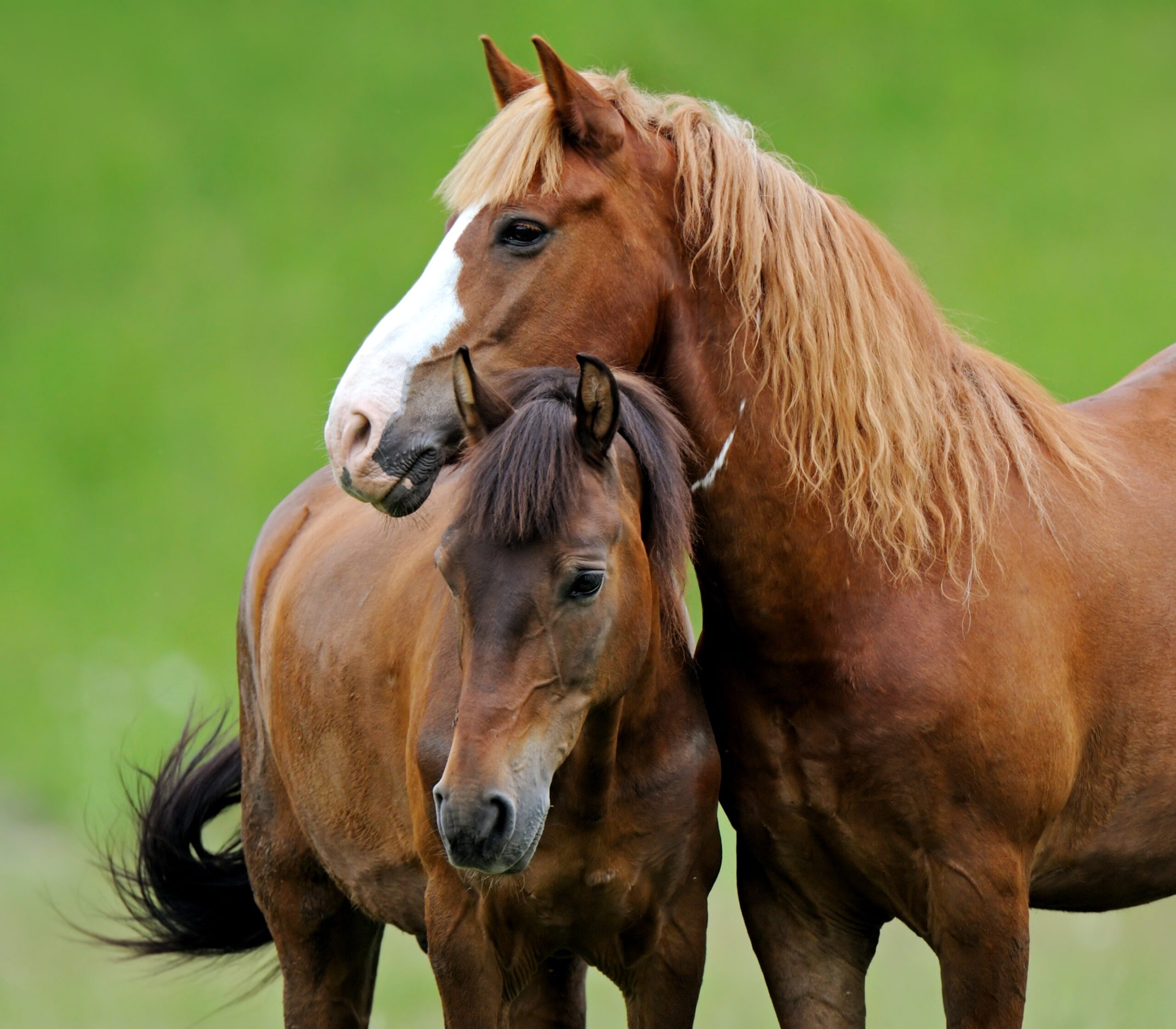
Routine care and early evaluation help keep small issues from turning into bigger setbacks for horse owners.
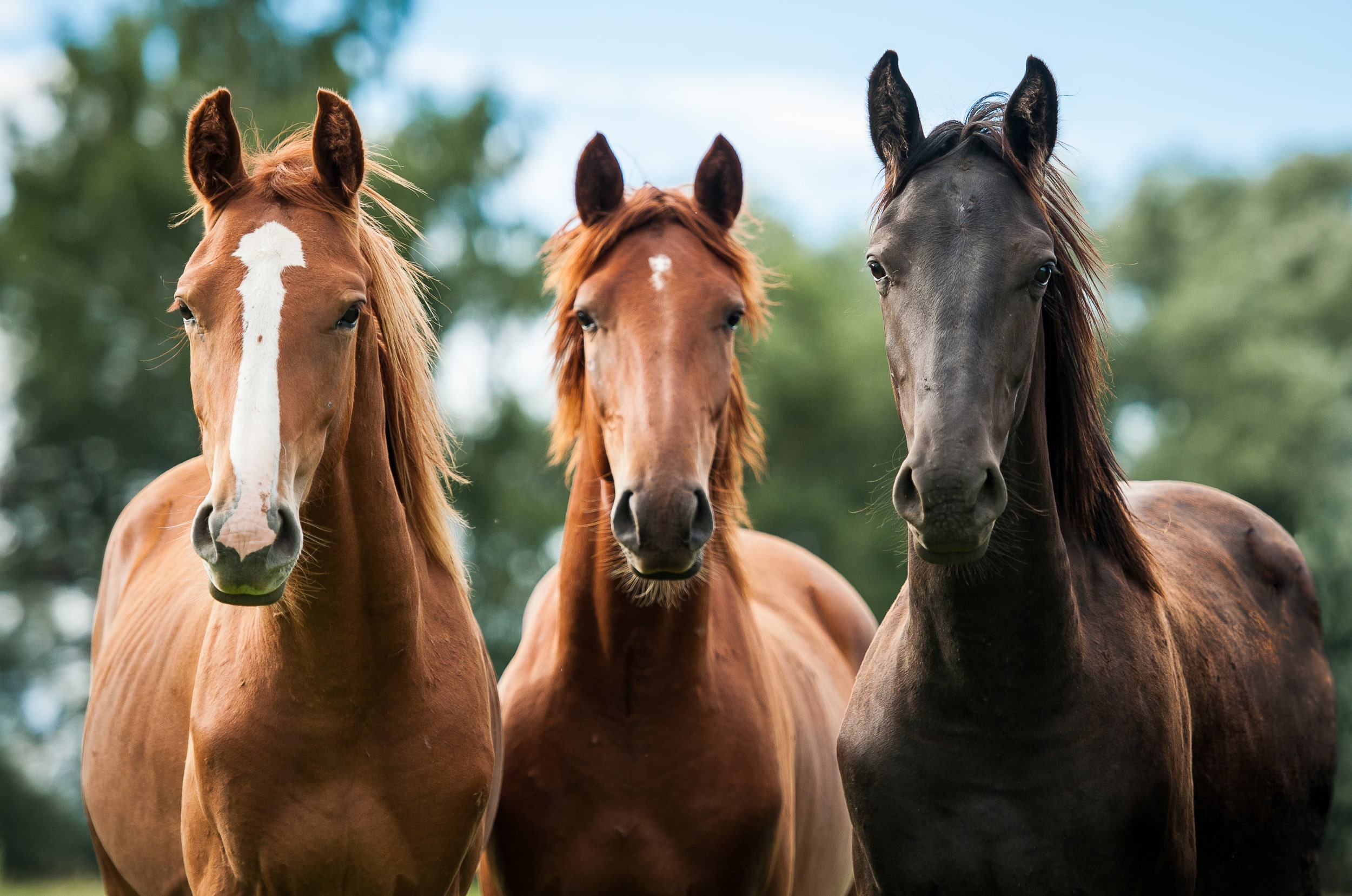
Horse owners often get the best results when wellness care, dentistry, and diagnostics are handled before problems become more obvious.
Why an equine vet in Manitoba matters for horse comfort and performance
Good equine care supports more than treatment in the moment. It helps owners protect comfort, performance, and long-term soundness through better timing, clearer diagnosis, and more practical management decisions. Horses are good at hiding discomfort until the change becomes harder to ignore, which is exactly why routine veterinary attention is worth prioritizing.
Where horse owners often see the biggest benefit from an equine vet in Manitoba
Comfort
Early exams and regular maintenance help identify issues before the horse becomes significantly more painful or difficult to manage.
Performance
Subtle movement or breathing changes can have a major effect on how a horse works, travels, or competes.
Confidence
Owners make better decisions when they have a clear explanation of what may be happening and what should happen next.
Frequently asked questions about horse veterinary care
How often should my horse have a wellness exam?
Most horses benefit from yearly wellness review, while senior horses or animals with ongoing concerns may do better with more frequent check-ins.
What records should I have ready for my horse?
If possible, have vaccination history, dental history, deworming information, farrier details, and any recent treatment notes available for the visit.
Do you offer mobile equine veterinary service?
Yes. Mobile service is available when on-farm care is the right fit and the horse can be handled safely in a suitable area.
When should I call sooner instead of waiting?
Call promptly for colic signs, sudden lameness, labored breathing, major wounds, severe lethargy, or any fast change in appetite, behavior, or drinking.
Can you help if I own other animals too?
Yes. Many horse owners also use us for livestock care, goat care, and other services listed on our services page.
Book equine veterinary care in Manitoba
If your horse needs wellness care, dentistry, diagnostics, lameness evaluation, or mobile service, contact our team today and we will help you choose the right next step.