Goat Veterinary Care for Manitoba Herds and Homesteads
Our Goat vet in Manitoba is be practical, timely, and built around the real needs of pet goats, hobby herds, and working or production animals. At Rolling Plains Veterinary Corporation, we help goat owners with wellness exams, parasite control, diagnostics, kidding support, treatment planning, and farm or clinic care when the situation calls for it. Whether you keep a few goats at home or manage a larger herd, the goal is the same: protect health early, respond quickly when something changes, and give you a clear plan you can actually follow.
Goats can look bright until they are not. Appetite changes, parasite pressure, dehydration, kidding complications, weight loss, foot problems, and herd spread can all get more serious faster than many owners expect. That is why good goat care depends on early observation, practical veterinary support, and consistent management rather than guessing and hoping the issue passes on its own.
If you are deciding where to start, you can also review our full veterinary services in Manitoba, learn more about livestock veterinary care in Manitoba, or contact our team to book the right kind of visit.

When you call, it helps to share age, sex, herd size, whether the goat is pregnant or lactating, and the main concern you are seeing.
Why goat health issues need fast, species-specific care
Goats are not just small livestock. They have their own common patterns, risks, and management issues, especially around parasites, body condition, nutrition, kidding, and group spread. That is part of why this service should stay clearly focused on goat care rather than blending into broader cattle-focused content. Goat owners need advice that fits caprine health specifically, not generic large-animal language that misses the real problem.
Some clients keep one or two companion goats, while others manage breeding groups, milk goats, or mixed-use herds. The scale changes, but the need for early recognition does not. If a goat goes off feed, isolates, scours, loses condition, coughs, kids poorly, or shows swelling or lameness, those are not signs to sit on too long. Owners with mixed rural properties can also explore equine veterinary care in Manitoba, dog veterinary care in Manitoba, and cat veterinary care through the same clinic group when needed.
Pet goats
Pet goats still need parasite planning, hoof care, proper nutrition, reproductive awareness, and prompt attention when behavior or appetite changes.
Breeding and kidding groups
Reproductive timing, kidding support, kid health, and postpartum problems all need close attention and good preparation.
Production and herd owners
When multiple goats are involved, prevention, biosecurity, treatment consistency, and record-keeping matter even more.
What a goat vet in Manitoba can help you manage
Good goat veterinary care covers much more than emergency response. It includes prevention, herd-level planning, early diagnostics, and treatment guidance that matches the age, stage, and purpose of the animals involved. Some owners need help with one sick goat. Others need support for a pattern that is beginning to affect a group. Both are worth addressing before the problem grows.
Routine goat care and prevention
- Wellness exams and general health review
- Vaccination planning based on herd setup and risk
- Parasite management and deworming strategy
- Nutrition and body condition support
- Hoof, skin, and general husbandry-related concerns
- Seasonal planning around kidding and herd changes
Diagnostics, treatment, and urgent goat concerns
- Off-feed goats, weight loss, diarrhea, or dehydration
- Respiratory illness, fever, coughing, or nasal discharge
- Kidding difficulty, postpartum problems, or weak kids
- Lameness, swelling, wounds, or abscesses
- Herd-level illness patterns and spread concerns
- Clear next-step planning for home care, farm care, or follow-up
This page stays focused on goats for a reason. Owners looking primarily for cattle care should use our livestock veterinary service, while multi-species farm owners can review the range of animals we treat for broader support.
How goat vet in Manitoba care may be delivered on farm or through clinic support
Some goat cases are best handled on site, especially when multiple animals may be involved or when transport adds unnecessary stress. Other cases are easier to manage through clinic coordination, especially when one animal needs closer evaluation or follow-up. The right option depends on the concern, the number of animals, and the facilities available.
| Situation | Farm service may be best when | Clinic support may be best when |
|---|---|---|
| Herd-level health concerns | More than one goat is involved and the setup needs to be seen directly. | The issue appears limited to one animal that can be handled and transported safely. |
| Kidding or postpartum problems | Immediate on-site assessment is the fastest and safest next step. | Transport is realistic and the goat needs closer follow-up after initial care. |
| Parasite or condition concerns | You need herd context, pasture or management review, and group planning. | A single animal needs direct assessment first. |
| General illness | The goat is part of a wider group concern or moving the animal would create more stress. | Controlled exam, monitoring, or clinic coordination is the better fit. |
If you are not sure which route is best, use our contact page and tell us whether this is one goat or several, how long the issue has been going on, and whether the goat is pregnant, lactating, or newly kidded.
Parasite control, body condition, and preventive herd planning
One of the biggest reasons owners need veterinary help with goats is parasite pressure. Repeated guesswork with dewormers is not the answer. Overusing products without a plan can make future control harder, while waiting too long can leave goats thin, weak, or slow to recover. Strong prevention starts with watching condition, reviewing symptoms carefully, and using treatment decisions that make sense for the herd you actually have.
What often supports better goat outcomes
- Targeted parasite planning instead of blind repeat treatments
- Closer monitoring of body condition and appetite changes
- Reviewing feed, water, stress, and recent group changes
- Paying extra attention to young, breeding, and freshly kidded goats
Why this matters
Goats often decline gradually before the problem becomes obvious. A goat that is just a little off may already be telling you something important.
Kidding support, kid health, and reproductive goat care
Breeding and kidding season can go smoothly until it does not. When kidding does not progress, a doe becomes distressed, a newborn is weak, or milk supply and nursing are not going normally, time matters. These are the moments when having a clear veterinary contact helps owners act faster and avoid losing ground while they try to decide whether the problem is serious enough.
Common reproductive and kid-care concerns
- Difficult labor or kidding that is not progressing
- Weak kids, poor nursing, or failure to thrive
- Postpartum pain, discharge, bleeding, or udder concerns
- Questions around timing, isolation, hygiene, and monitoring
When quicker action is smart
If a doe is straining without progress, a kid cannot stand or nurse, there is heavy bleeding, or the goat is collapsing, call right away instead of waiting to see whether it improves.
What to prepare before a goat appointment or farm visit
A little preparation saves time and helps us guide you faster. Goat cases move better when we know what changed, how many animals are affected, and what stage of life the goat is in. That is especially true for herd issues, reproduction concerns, and sudden illness.
Helpful details to have ready
- Age, sex, and approximate weight
- Whether the goat is pregnant, lactating, or recently kidded
- Current diet and any recent feed changes
- Deworming history and recent medications
- How long the symptoms have been present
- Whether one goat or several are affected
Things that can help even more
- A recent temperature if you can take one safely
- Photos or short video of movement, breathing, or behavior
- Notes on manure, appetite, water intake, and milk production
- A safe pen or handling area if a farm visit is needed
That kind of information helps the appointment become more useful from the start instead of wasting time on basics you can gather ahead of time.
Clinic access, farm support, and related veterinary services
Rolling Plains Veterinary Corporation supports clients through St. Claude, Carman, and Notre Dame, giving goat owners across rural Manitoba multiple ways to connect with care. That helps with appointment scheduling, follow-up communication, records, and coordinating care when a goat issue becomes more urgent than expected.
Owners who keep more than goats can also access broader support through our services overview, livestock care, and equine care. For general veterinary background on caprine health topics, owners may also find the Merck Veterinary Manual helpful as a reference source.

Early evaluation and practical herd planning usually make goat problems easier to manage than waiting until several animals are affected.
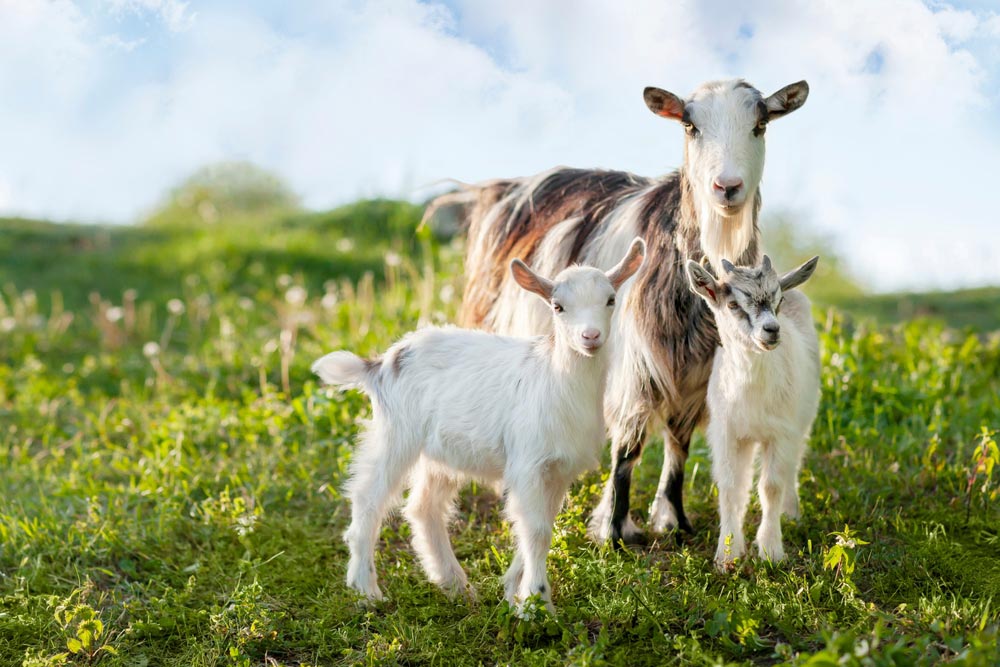
Good goat health starts with the basics: nutrition, housing, observation, parasite planning, and timely veterinary input when something changes.
Why a goat vet in Manitoba matters for long-term herd health
Goat owners often call when something feels urgent, but some of the biggest benefits of veterinary support happen before the crisis point. Better herd observation, clearer parasite planning, stronger kidding preparation, and earlier treatment decisions all help reduce setbacks and improve recovery. That is especially true when goats are part of a larger farm system and early signs are easy to miss during busy seasons.
Where owners often see the biggest benefit from a goat vet in Manitoba
Prevention
Better planning reduces repeated problems and helps owners react sooner when the first warning signs appear.
Reproductive support
Kidding preparation, postpartum care, and kid monitoring are easier when you have a clearer plan ahead of time.
Herd stability
When several goats are involved, practical veterinary guidance can help contain the issue and improve the next decision quickly.
When to call urgently
If your goat has severe bloat, collapse, heavy bleeding, a difficult labor that is not progressing, or a kid that cannot stand or nurse, contact us right away. If you are unsure, it is safer to call and ask than to wait too long.
Frequently asked questions about goat veterinary care
How often should goats see a veterinarian?
Many goats benefit from at least an annual wellness review, along with targeted visits for parasite concerns, kidding support, body condition changes, or herd-health questions.
What are early signs that a goat may be sick?
Reduced appetite, isolation, diarrhea, weight loss, coughing, nasal discharge, lower milk production, weakness, and behavior changes are all reasons to pay closer attention.
What should I do if I suspect parasites?
Call us and describe what you are seeing. It is usually better to avoid blind repeat deworming and get a more targeted plan based on the goat, the herd, and the symptoms involved.
Do you offer farm visits for goats?
Yes, when on-site care is appropriate and safe handling is available. Let us know how many goats are involved and what the main concern is when you contact us.
Can you help with pet goats as well as herds?
Yes. We help both pet goat owners and herd owners, and the care approach is adjusted to fit the animal’s role, living setup, and health concerns.
Book goat veterinary care in Manitoba
If your goat needs parasite support, kidding care, diagnostics, treatment planning, or a farm or clinic visit, contact our team today and we will help you choose the right next step.