
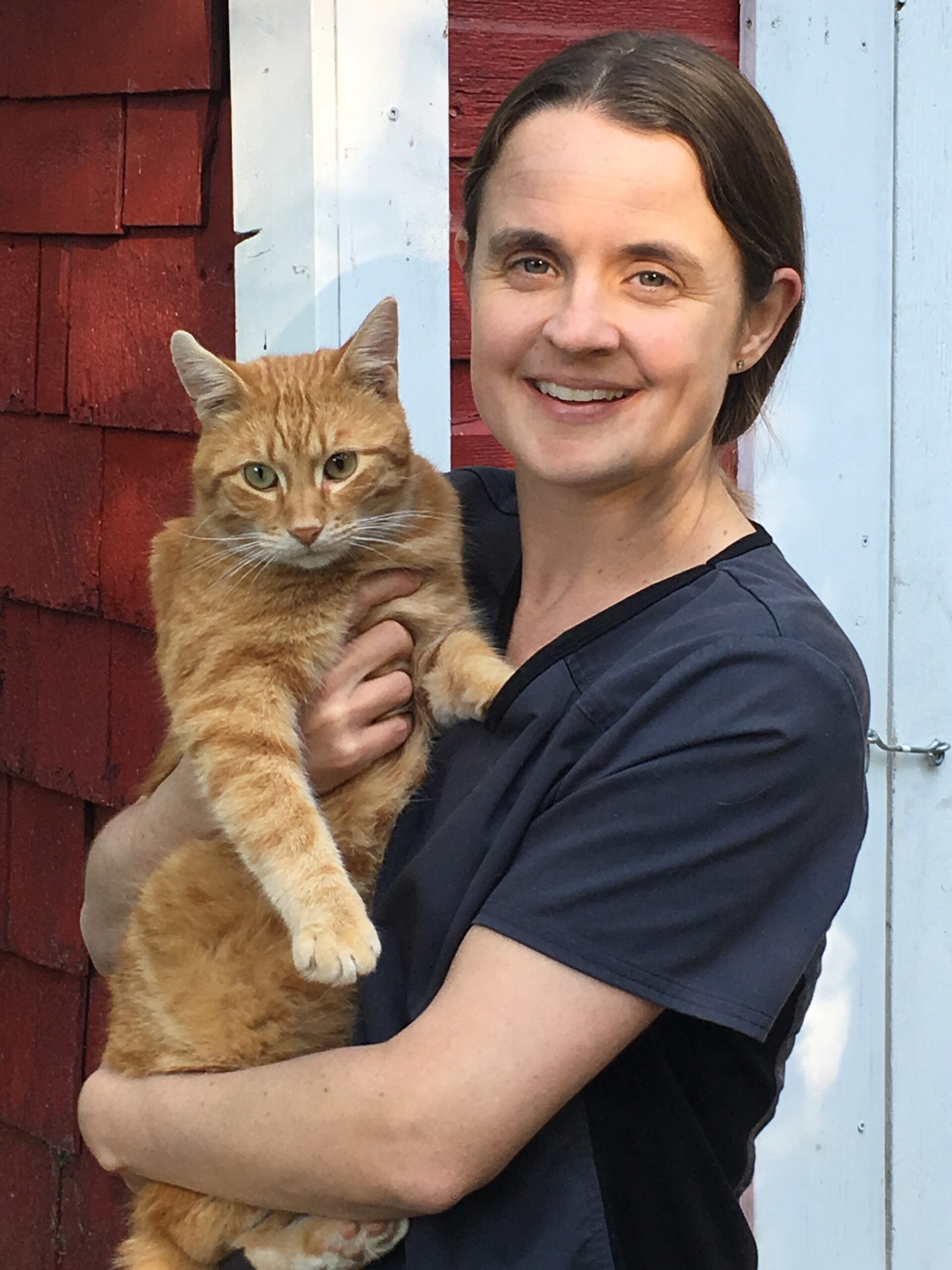
How Often Should Indoor Cats See a Vet?
April 27, 2026 9:09 pmIf you have ever wondered how often should indoor cats see a vet, you are not alone. Many cat owners assume that staying inside automatically means staying healthy, but that is only part of the story. Indoor cats may avoid traffic, predators, and some contagious diseases, yet they still face plenty of health concerns that can develop quietly over time. Regular veterinary visits are one of the best ways to protect your cat’s comfort, longevity, and quality of life. Think of routine care as your cat’s wellness plan: less guesswork, more purring, and a much better chance of catching issues before they turn into big problems.
It is easy to see where the myth comes from. Indoor cats are often cleaner, safer, and less likely to get injured than outdoor cats. They may spend their days lounging in sunny windows, batting at toys, and judging everyone from atop the couch. Still, that cozy lifestyle does not make them immune to illness. In fact, some indoor cats are more prone to weight gain, dental disease, urinary issues, arthritis, and stress-related conditions. The safest place can still hide silent health problems, which is why routine veterinary care matters so much.
For most healthy adult indoor cats, a veterinary exam once a year is the standard recommendation. Kittens, senior cats, and cats with ongoing medical conditions usually need to be seen more often. These visits are not just about vaccines. They help track subtle changes in your cat’s health, update preventive care, and give your veterinarian the chance to spot concerns you may not notice at home.
Health Risks Unique to Indoor Cats
Indoor cats may be protected from the outside world, but their lifestyle comes with its own set of challenges. Some of the most common health risks for indoor cats are related to environment, activity level, and the way cats naturally hide discomfort.
A few issues are especially common:
- Obesity
Indoor cats often get less exercise than outdoor cats. Less movement plus easy access to food can quickly lead to weight gain. Extra weight increases the risk of diabetes, joint pain, heart strain, and reduced mobility. - Dental disease
Cats are masters at hiding oral pain. Tartar buildup, gingivitis, and tooth infections can develop even if your cat still seems eager to eat. Many indoor cats need regular dental evaluations to stay comfortable. - Urinary tract problems
Indoor cats can be more prone to urinary issues, especially if they are stressed, overweight, or not drinking enough water. Conditions affecting the bladder or urinary tract can become serious very quickly. - Boredom and stress
A sheltered life sounds lovely, but cats still need enrichment. Without mental stimulation, scratching outlets, climbing opportunities, and play, some cats develop stress-related behaviors or health issues. - Hairballs and digestive concerns
Indoor cats groom a lot. Sometimes a lot a lot. Excess grooming can lead to hairballs, while poor hydration or dietary imbalance may contribute to digestive upset. - Parasites and infectious disease exposure
Indoor does not always mean parasite-free. Fleas, ticks, and intestinal parasites can come inside on shoes, clothing, other pets, or through small household exposures. Even cats that never step outside can still be at risk.
Another important factor is that indoor cats tend to live longer than many outdoor cats. That is excellent news, but it also means they are more likely to experience age-related conditions like kidney disease, arthritis, thyroid disease, and high blood pressure. Longer lives are a gift, and routine veterinary care helps make those years healthier and happier.
Why Preventive Care Still Matters
Preventive care is not only for pets that roam. It is for every pet whose owner wants fewer surprises and better long-term health. Indoor cats can look perfectly fine while dealing with discomfort or disease. By the time obvious symptoms appear, the problem may already be advanced.
Routine checkups help veterinarians build a health history for your cat over time. Small shifts in weight, appetite, mobility, coat quality, or behavior may not seem dramatic from day to day, but they can mean a lot when tracked consistently. That information helps guide treatment early, when care is often simpler and more effective.
Preventive care often includes:
- Physical examinations
- Weight and body condition tracking
- Vaccine review and updates
- Parasite prevention recommendations
- Dental assessments
- Nutritional guidance
- Bloodwork or urine testing when appropriate
- Senior wellness screenings for older cats
These visits also create an opportunity for cat owners to ask questions. Is your cat drinking more water than usual? Sleeping in odd places? Ignoring favorite toys? Suddenly becoming a bit grumpy about being picked up? Those little things may not seem urgent, but they can offer valuable clues.
There is also the practical side of routine care. A cat that is used to going to the vet for calm, regular visits may handle appointments better than a cat who only goes when something is wrong. Fewer panic-filled car rides, more familiarity, and a better overall experience for everyone involved.
How Often Should Indoor Cats See a Vet as They Age?
The answer changes with life stage, which is one reason the question matters so much. A kitten, a healthy adult cat, and a senior cat do not have the same medical needs.
Kittens usually need several visits in their first year. These appointments are essential for:
- Vaccinations
- Deworming and parasite control
- Growth monitoring
- Nutrition guidance
- Spay or neuter planning
- Early behavioral advice
In many cases, kittens visit the vet every few weeks until their initial vaccine series and early wellness needs are complete.
Healthy adult indoor cats generally should see the vet once a year. This annual exam gives your veterinarian the chance to assess overall health, update recommended care, and catch subtle concerns before they worsen.
Senior cats, usually around age 7 to 10 and older, depending on the individual cat, often benefit from visits every six months. Cats age more quickly than people, so waiting a full year between appointments can allow age-related illnesses to progress unnoticed. Twice-yearly exams help monitor for kidney disease, arthritis, thyroid problems, heart changes, blood pressure concerns, and other conditions that become more common with age.
Cats with chronic health conditions may need more frequent visits based on your veterinarian’s recommendations. A cat with diabetes, kidney disease, hyperthyroidism, allergies, or recurring urinary problems may need exams and follow-up testing several times per year.
In simple terms:
- Kittens: multiple visits in the first year
- Healthy adult indoor cats: once yearly
- Senior indoor cats: every six months
- Cats with medical issues: as recommended by your veterinarian
That schedule gives indoor cats the best chance at early detection and consistent wellness care.
Silent Illnesses Common in Indoor Cats
One of the biggest reasons indoor cats need routine vet visits is that many common feline illnesses are quiet. Cats are famously skilled at masking discomfort. In the wild, showing weakness can be dangerous. Even though your house cat’s biggest daily threat is usually a vacuum cleaner, those instincts remain.
Some of the most common silent illnesses include:
Dental disease
Bad breath is not just a quirky cat trait. It can signal gum disease, painful tooth resorption, or infection. Many cats continue eating despite oral pain, so owners may not realize there is a problem.
Kidney disease
Chronic kidney disease is common in older cats and may develop gradually. Increased thirst, weight loss, or changes in litter box habits can be subtle at first.
Arthritis
Many cat owners do not realize their pet has arthritis because cats do not usually limp dramatically. Instead, they may jump less, sleep more, avoid stairs, or stop using certain perches.
Thyroid disease
Hyperthyroidism often affects senior cats and can cause weight loss, increased appetite, restlessness, or changes in coat condition. Early signs can be easy to miss.
Diabetes
Weight changes, increased thirst, and changes in urination may creep up slowly. Indoor cats who are overweight are at higher risk.
Heart disease
Some forms of feline heart disease show no obvious symptoms until they become serious. A routine exam may reveal abnormal heart sounds or other clues that call for further testing.
Urinary tract disease
Cats may hide pain while urinating or only show mild litter box changes at first. In some cases, urinary issues can become emergencies, especially in male cats.
Because these illnesses can hide in plain sight, routine exams are far more than a nice idea. They are one of the most effective tools for protecting your cat’s health.
What Vets Check During Routine Cat Exams
A routine cat exam is much more thorough than a quick glance and a sympathetic nod to your cat’s dramatic carrier complaints. Your veterinarian is checking many systems at once and looking for subtle signs that something may be changing.
During a routine exam, vets often assess:
- Weight and body condition to monitor obesity, weight loss, and muscle changes
- Teeth and gums for tartar, gingivitis, loose teeth, and oral pain
- Eyes and ears for infection, inflammation, or abnormal changes
- Heart and lungs for murmurs, arrhythmias, or breathing concerns
- Skin and coat for parasites, allergies, overgrooming, or hidden lumps
- Joints and mobility for pain, stiffness, or signs of arthritis
- Abdomen for abnormal organ size, discomfort, or masses
- Hydration status to help spot underlying illness
- Litter box and bathroom habits through owner discussion
- Behavior and appetite changes that may signal hidden disease
Depending on your cat’s age and health status, your veterinarian may also recommend diagnostic testing such as:
- Bloodwork
- Urinalysis
- Fecal testing
- Blood pressure checks
- Thyroid screening
- Imaging such as X-rays or ultrasound
These tests can be especially useful for senior cats, cats with subtle symptoms, or pets with a history of medical concerns. They provide a clearer picture of what is happening internally, where many feline illnesses begin long before symptoms become obvious.
FAQ About Indoor Cat Vet Visits
Do indoor cats really need annual vet visits?
Yes. Indoor cats still need regular wellness exams, even if they never go outside. Annual visits help detect hidden illness, monitor weight and dental health, and keep preventive care up to date.
Can indoor cats skip vaccines?
Not always. Vaccine needs vary based on age, lifestyle, and risk factors. Even indoor cats may need core vaccines, and your veterinarian can recommend the right schedule for your pet.
What signs mean my indoor cat should see the vet sooner?
Schedule an appointment promptly if your cat has changes in appetite, thirst, litter box habits, energy level, breathing, grooming, mobility, or behavior. Vomiting, diarrhea, weight loss, and hiding more than usual are also worth checking.
How often should senior indoor cats see a vet?
Most senior indoor cats should visit the vet every six months. More frequent exams help catch age-related conditions early and keep treatment manageable.
Do indoor cats need parasite prevention?
Often, yes. Fleas, ticks, and intestinal parasites can still find their way indoors. Your veterinarian can recommend the best prevention plan based on your cat’s lifestyle and local risk.
Why does my cat need bloodwork if they seem healthy?
Bloodwork can reveal early signs of disease before symptoms are visible. It is especially helpful for senior cats and can serve as a useful baseline for future care.
Is dental care really that important for cats?
Absolutely. Dental disease is very common in cats and can be painful even when they keep eating. Routine exams help detect oral issues early and prevent more serious complications.
Keep Your Indoor Cat Healthy with Trusted Veterinary Care
Indoor cats may live cozy, protected lives, but they still need consistent medical care to stay at their best. The idea that indoor cats require less care is a myth that can lead to missed health problems and delayed treatment. In most cases, healthy adult indoor cats should see a vet once a year, while kittens, senior cats, and cats with medical conditions may need to come in more often. Those regular visits make a big difference in catching silent illness, supporting preventive care, and giving you peace of mind.
When it is time to schedule your cat’s next wellness visit, trust Rolling Plains Veterinary Corporation to provide compassionate, professional care. At Rolling Plains Veterinary Corporation, our trusted veterinary clinics are here to give you confidence in your animal’s health. From dogs and cats to cattle and horses, we administer preventive pet medications and treat emergent conditions. We are proud of our experience, accreditations, and long-standing history as emergency vets. Contact us today to schedule an appointment and give your pet the attentive care they deserve.
Categorised in: Cat Care
This post was written by Dr. Marc Phillipot



Comments are closed here.