
How Much Does It Cost to Microchip a Dog?
April 7, 2023 1:12 am

Losing a pet is one of the most stressful experiences a pet owner can go through. Microchipping is one of the simplest, most affordable ways to make sure your dog finds their way back home if they ever get lost. If you’ve been wondering how much it costs to microchip a dog in Canada, what the procedure involves, and when you should book it, this guide covers everything you need to know before your appointment.
At Rolling Plains Veterinary Corporation, we provide microchipping for dogs and cats at our three clinic locations. It’s a quick, straightforward procedure that gives pet owners lasting peace of mind for a modest one-time cost.
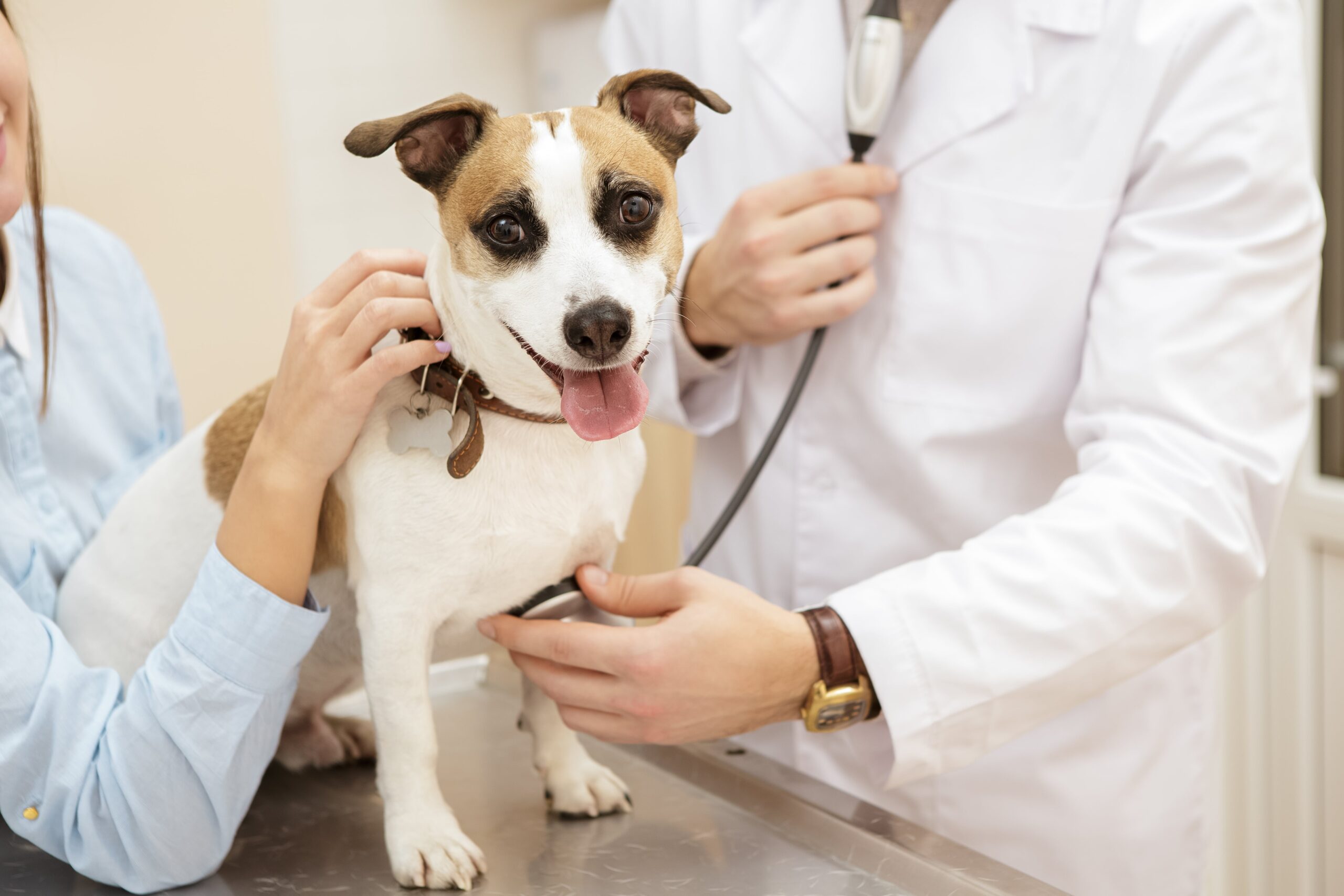
What Is a Dog Microchip and How Does It Work?
A microchip is a tiny passive radio-frequency identification (RFID) device — roughly the size of a grain of rice — implanted just beneath your dog’s skin, typically between the shoulder blades. It contains a unique identification number that links to your contact information in a national pet registry.
The chip itself has no battery and no moving parts. It only activates when a scanner is passed over it, which means it requires zero maintenance after implantation and is designed to last the lifetime of your pet. When a found dog is brought to a vet clinic, animal shelter, or humane society, staff will scan for a microchip as a standard first step. If a chip is present, they contact the registry to retrieve your details and reach you.
What Information Is Stored on a Dog Microchip?
- A unique 15-digit ISO identification number
- Your name, address, and phone number (stored in the registry, not on the chip itself)
- Your pet’s name, breed, and date of birth
- Your veterinarian’s contact information (optional but recommended)
- Emergency contact details
It’s important to understand that the chip only works if your registration is current. If you move or change phone numbers, updating your registry record is essential — the chip is only as useful as the contact information attached to it.
How Much Does It Cost to Microchip a Dog in Canada?
Microchipping is one of the most affordable permanent protections you can give your dog. In Canada, the cost to microchip a dog typically ranges from $50 to $80 at a private veterinary clinic, which usually includes the chip, implantation, and registration setup. Some clinics bundle microchipping with a wellness exam or spay/neuter procedure, which can reduce the overall cost per service.
| Service | Estimated Cost (CAD) | Notes |
|---|---|---|
| Microchip implantation (standalone) | $50 – $80 | Includes chip, implantation, and registry setup |
| Microchip bundled with wellness exam | $80 – $130 | Often more cost-effective than booking separately |
| Microchip during spay/neuter surgery | $30 – $60 add-on | Lower add-on cost since anaesthesia is already in use |
| Registry update (change of address/owner) | $0 – $25 | Varies by registry; some allow free online updates |
| Replacement chip (rare) | $50 – $80 | Only needed in the uncommon event of chip failure |
What Affects the Cost to Microchip a Dog?
A few factors can influence the final price you pay:
- Clinic location: Rural and small-town clinics often have competitive pricing compared to larger urban centres
- Whether it’s bundled: Adding microchipping to a spay/neuter or annual exam appointment typically costs less than a standalone visit
- Registry fees: Some registries charge a one-time or annual fee; others are free to update online
- Your dog’s size: Unlike some procedures, microchipping cost is generally the same regardless of breed or size
If you’re already planning a wellness visit, it’s worth asking whether microchipping can be added during the same appointment. For a full picture of what routine vet visits typically cost, see our guide on vet visit costs.

What to Expect During the Microchipping Procedure
Many pet owners are nervous about microchipping before they understand how simple it actually is. The entire procedure takes just a few minutes and requires no anaesthesia, no stitches, and no recovery time. Your dog can go home immediately afterward.
Your vet will first scan your dog to confirm they haven’t already been chipped — this is especially important for rescue dogs or adopted pets whose history may be unclear.
The microchip is loaded into a sterile syringe and injected under the loose skin between your dog’s shoulder blades. Most dogs react no more than they would to a standard vaccine.
Your vet will immediately scan the chip to confirm it’s reading correctly and that the ID number matches the paperwork.
Your contact details are submitted to a national pet registry using the chip’s unique ID number. You’ll receive confirmation and should keep this on file.
That’s it. No bandage, no downtime, no follow-up required. Your dog is protected from the moment they leave the clinic.
Does Microchipping Hurt Dogs?
The injection is comparable to a standard vaccine — a brief pinch at most. The shoulder blade area has relatively few nerve endings, which is why it’s the preferred implantation site. Puppies and dogs that are already under anaesthesia for a spay or neuter can have the chip implanted without feeling anything at all, which is why many owners choose to combine the two procedures.
When Should You Get Your Dog Microchipped?
The short answer is: as early as possible. Puppies can be safely microchipped from eight weeks of age, which is the same time they typically receive their first round of vaccinations. Getting both done at the same appointment is convenient and means your puppy is protected right from the start.
Best Times to Book a Microchipping Appointment
- At 8 weeks: The earliest recommended age, often coincides with the first puppy vaccine visit
- During spay or neuter surgery: Ideal since your dog is already under anaesthesia — lower stress and often lower add-on cost
- At any routine wellness exam: Can be added to any checkup if your dog hasn’t been chipped yet
- When adopting a rescue dog: Always confirm whether a chip is already in place and update the registry to your details if so
If you’ve recently adopted a dog and aren’t sure whether they’re already microchipped, your vet can scan for a chip during your first visit. If one is found, the registry can update the owner information to reflect your details. For everything you need to know about bringing a new dog or cat to the vet for the first time, our veterinary services overview is a helpful starting point.
Microchip vs. Collar Tag: Why You Need Both
A collar with an ID tag is a great first line of identification — it’s immediately visible to anyone who finds your dog. But collars can break, fall off, or be removed. A microchip is permanent and cannot be lost, tampered with, or removed without veterinary intervention.
| Feature | Collar Tag | Microchip |
|---|---|---|
| Visible to anyone who finds your dog | Yes | No — requires a scanner |
| Can fall off or be removed | Yes | No |
| Permanent | No | Yes — lasts ~25 years |
| Recognized by vets and shelters | Varies | Yes — universal standard |
| One-time cost | No — needs replacing | Yes |
| Works if your dog is found far from home | Partially | Yes — national registry |
The best approach is to use both. Collars with current tags are a fast, visible identifier. Microchips are your backup when the collar fails. Together, they give your dog the strongest possible chance of being returned home safely.
Keeping Your Microchip Registration Up to Date
A microchip is only effective if the contact details in the registry are accurate. This is the most commonly overlooked part of pet microchipping — the chip is implanted once, but the registry needs to be maintained over your dog’s lifetime.
When to Update Your Microchip Registry
- When you move to a new address
- When you change your phone number
- When you rehome or transfer ownership of your dog
- When you want to add or update an emergency contact
- When your vet’s contact information changes
Canada uses the Canadian Pet Registry as a central national database, though several registries are in use across the country. Your vet will register your dog’s chip at the time of implantation and should provide you with the registry name and your login details. Keep this information somewhere safe.
Can You Microchip Cats Too?
Absolutely. The same procedure, the same technology, and a similar cost applies to cats. Outdoor cats in particular benefit greatly from microchipping since they’re more likely to roam and less likely to be wearing a collar when found. Indoor cats should also be chipped in case of an accidental escape.
Cats can be microchipped from 8 weeks of age and it’s often done at the same time as their spay or neuter surgery. If you have a cat due for their annual exam, ask about adding microchipping to the visit. Our feline veterinary care page outlines the full range of services we offer for cats at our clinic locations.
Microchipping and Traveling With Your Dog
If you ever plan to travel with your dog across provincial or international borders, microchipping is not just recommended — in many cases it’s required. Dogs entering or leaving Canada need to meet specific documentation requirements, and a registered ISO-compliant microchip is typically part of that process.
For a full breakdown of what you need to know before traveling with your pet in Canada, our post on traveling with pets in Canada covers health certificates, border crossing requirements, and more.
Ready to Get Your Dog Microchipped?
It’s one of the simplest, most affordable things you can do for your pet’s safety. Our teams in St. Claude, Notre Dame, and Carman can take care of it at your next visit — or book a standalone appointment if you’d prefer.
Frequently Asked Questions About Dog Microchipping
How much does it cost to microchip a dog in Canada?
How old does a puppy have to be to get microchipped?
Does microchipping a dog hurt?
How long does a dog microchip last?
Can a microchip track my dog’s location in real time?
What if my dog was already microchipped before I adopted them?
Does my cat need a microchip too?
Categorised in: Dog Care
This post was written by Dr. Marc Phillipot


Comments are closed here.